

Legacy of Change
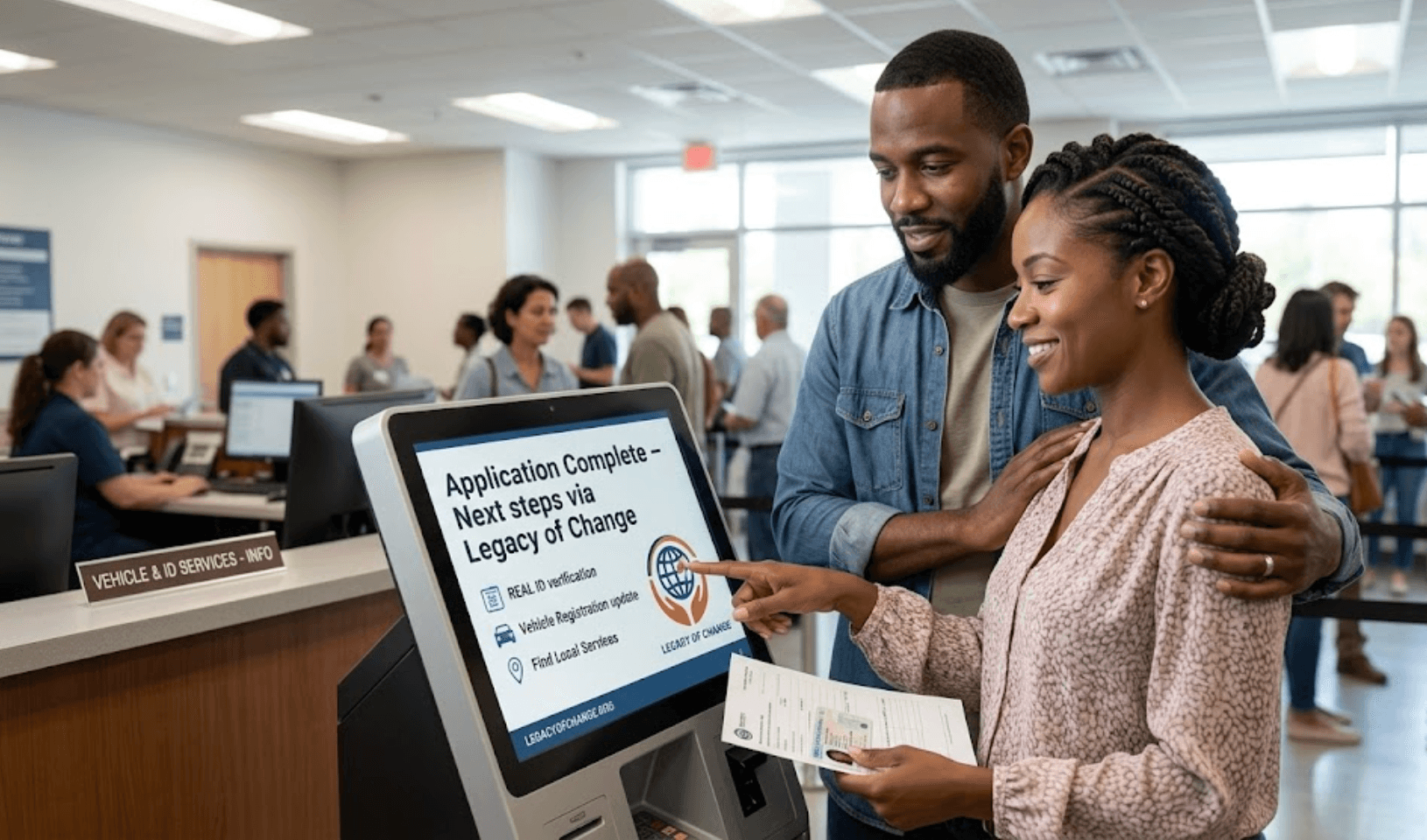
We connect you directly to trusted government and community services so you don't waste time searching.
Welcome to Legacy of Change
Legacy of Change is built on a simple belief: when people face real problems, they should have a clear path to real solutions. We help turn individual complaints into meaningful action by connecting people to trusted systems, preserving important records, and supporting fair workplace practices, access to care, and stable opportunities.
Our approach is simple, transparent, and designed to work. We lower barriers to legal and social support, work alongside public institutions, and focus on outcomes that can be tracked and trusted. The goal is to make systems easier to navigate, more accountable, and truly helpful for the people they are meant to serve.

From Experience to Impact
Ronnie Johnson is a U.S. Army veteran, single father of four, author, and social entrepreneur who turned personal challenges into a clear mission: make systems work better for people. After navigating workplace issues, disability systems, and financial hardship, he carefully documented his journey, preserving records and building a structured approach to accountability, access, and real-world solutions.
Today, he leads Legacy of Change, a model designed to turn individual struggles into measurable outcomes through legal support, workplace accountability, job pathways, and mental health access. His work blends practical systems with storytelling and developing programs, partnerships, and children's literature to create both immediate impact and long-term cultural change.
View MoreWhy It Works
Practical Benefits for Users & Partners
Built to serve individuals, communities, and organizations equally well.

For Users
Clear and direct pathways to essential services. Individuals can apply for benefits, file complaints, access mental health support, seek legal help, and connect with the right government offices without confusion.
For Legal & Advocacy Teams
Standardized, official links help streamline intake and support better documentation, especially when users download and timestamp official forms.
For Cities & Partners
A low-maintenance public resource that is easy to manage and scale, with click and referral data that can be shared with funders and stakeholders.
Get Help
Support Resources
Connect with trusted North Carolina services for employment, benefits, health, taxes, transportation, and other everyday needs.
DMV Services
Licenses, vehicle registration, REAL ID information, and online DMV services.

General State Services
Find North Carolina agencies, public services, benefits, and information.
Health & Social Services
Access Medicaid, food assistance, family support, and health resources.

State Job Openings
Search and apply for employment with the State of North Carolina.
State Taxes
File North Carolina taxes, make payments, and check refund information.
Unemployment Claims
Apply for unemployment benefits and manage weekly certifications.
Legacy of Change helps you find the right support — quickly and easily.
We connect you directly to trusted government and community services so you don't waste time searching. For immediate help, just click "Get Help."
Newsletter
Stay Informed with Legacy of Change
Sign up to receive updates, resources, and stories from Legacy of Change — delivered directly to your inbox.
No spam. Unsubscribe anytime.
Community Gallery
Legacy of Change collection